
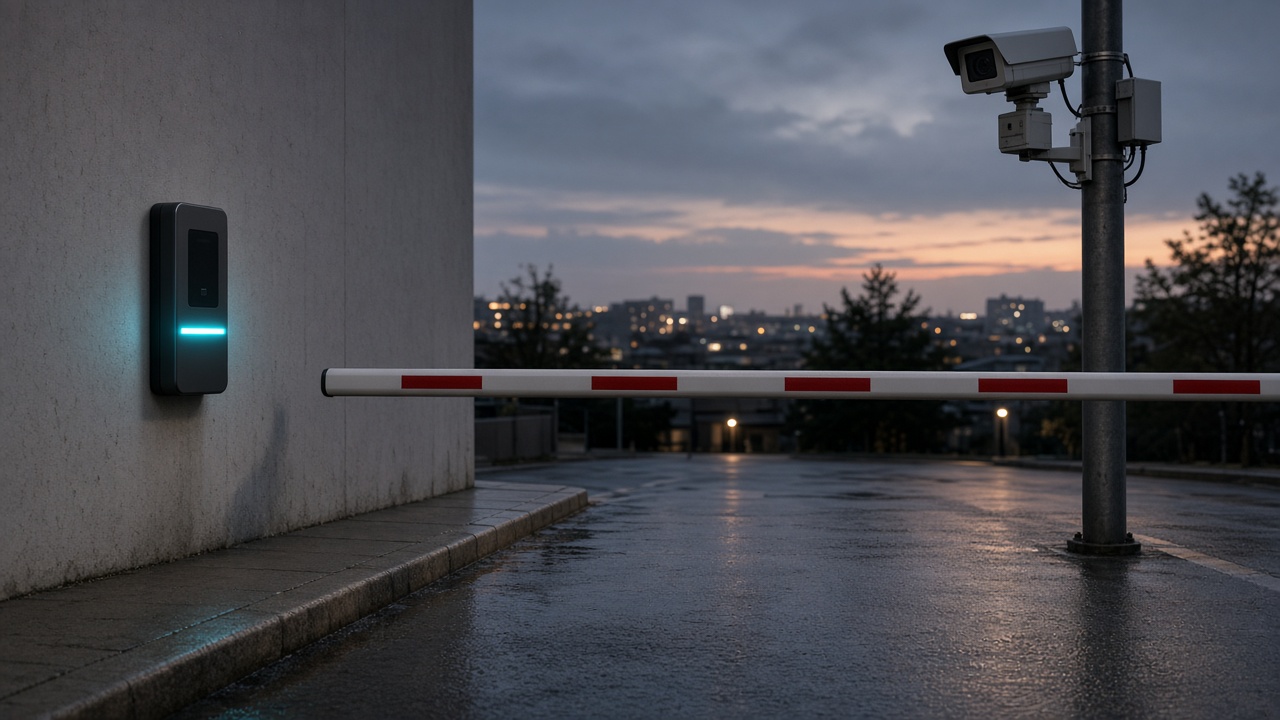
RFID and ANPR both identify a vehicle at a parking lane, but they solve different operating problems.
RFID uses a tag the facility issues and a reader that looks for that tag. It is predictable for residents, employees, and other frequent parkers because the identifier is known in advance. It is weaker for first-time visitors, who do not have a tag.
ANPR reads the plate that is already on the vehicle. It is useful for visitors and ticketless flows, but it depends on cameras, lighting, and plate condition. It also needs a fallback when a plate cannot be read.
A mixed lane is common
Many commercial facilities use RFID or an authorized list for staff, ANPR or tickets for visitors, and a guard approval path for exceptions. That combination matches how people actually arrive, instead of forcing every vehicle through one identification method.
When you compare vendors, ask how unmatched reads are handled, how tags are enrolled and revoked, and how both event types appear in the same report. The report is where access control becomes an operations tool rather than just a faster gate.